Quick answer: International Holocaust Remembrance Day is observed every year on January 27. In 2027 it falls on a Wednesday. It is a day of remembrance, not celebration, so the right words are quiet, sincere and respectful. “Happy” has no place in a message for this day. A short note such as “Today we remember the victims of the Holocaust and honor their memory” is appropriate.
Most holiday pages on this site are about joy. This one is different, and it should be. Every year people search for what to say on January 27 because they do not want to say the wrong thing. They want to show respect to survivors, to families who lost loved ones and to the memory of millions of victims, without sounding casual or performative. This guide gives you the background, original messages you can use or adapt, guidance on tone, and practical ways to take part.
On this page
- What International Holocaust Remembrance Day is
- Why January 27?
- Dates and the 2027 observance
- How to word a message respectfully
- 30 remembrance messages
- Messages for social media, schools and workplaces
- Remembrance images and GIFs
- Meaningful ways to observe the day
- Teaching children and teens
- Frequently asked questions
- Sources
What is International Holocaust Remembrance Day?
The United Nations General Assembly adopted Resolution 60/7 on November 1, 2005, designating January 27 as the International Day of Commemoration in memory of the victims of the Holocaust. The resolution also rejects Holocaust denial, and it encourages education so that future generations understand what happened and why it must never be repeated.
The day is observed with ceremonies at United Nations Headquarters in New York and at UN offices around the world. Governments, museums, schools, synagogues, churches and community groups hold their own events. Many countries also hold national commemorations on other dates connected to the Holocaust, so you may see more than one remembrance day in your own country.
Why January 27?
The date marks the anniversary of the liberation of Auschwitz-Birkenau. Soviet troops liberated the camp on January 27, 1945, during the final phase of the Second World War. Auschwitz-Birkenau was the largest and deadliest of the Nazi extermination camps, and its liberation became a symbol of both the scale of the crimes and the survival of those who lived to tell about them.
The first commemoration ceremony under the resolution was held on January 27, 2006, at UN Headquarters in New York. Since then the day has grown into a worldwide moment of reflection. In 2026, for example, the Brandenburg Gate in Berlin was lit with the message #WeRemember, and white roses were placed at the Holocaust memorial there.
2027 date, anniversary and theme
| Detail | 2027 |
|---|---|
| Date | Wednesday, January 27, 2027 |
| Anniversary of the liberation of Auschwitz-Birkenau | 82nd (liberated January 27, 1945) |
| UN resolution that created the day | Resolution 60/7, adopted November 1, 2005 |
| First UN ceremony | January 27, 2006, UN Headquarters, New York |
| Official 2027 theme | Not announced at the time of writing |
How to word a remembrance message
Tone matters more than anything else on this day. These guidelines help you stay respectful:
- Do not say “Happy Holocaust Remembrance Day.” Use “Remembering,” “We remember,” or “Today we honor.”
- Keep it short and sincere. One or two plain sentences are better than a long, ornate message.
- Focus on people, not slogans. Mention victims, survivors, families and communities.
- Avoid emojis that feel light, such as party or heart-eyes faces. A candle or a white flower is widely understood as respectful.
- Do not compare it casually to unrelated events. Using the Holocaust as a throwaway metaphor trivializes it.
- Do not invent or attribute quotes. Share words from survivors only from a reliable, named source, and say who spoke them.
- Reject denial and distortion. The UN resolution itself rejects denial, and a clear statement of truth is part of remembrance.
30 respectful remembrance messages
Every message below is original. Use them as written or adapt them to your own voice.
Short messages for cards and posts
- Today we remember the victims of the Holocaust.
- We remember. We will not forget.
- Every name matters. Every life mattered.
- Honoring the memory of those who were murdered, and the courage of those who survived.
- Remembrance is a duty we owe to the past and a gift we give the future.
- Never again is a promise we must keep every day, not only today.
- Light a candle. Hold the memory.
- Remembering the victims. Standing with survivors and their families.
- Memory is how we keep faith with those who cannot speak for themselves.
- Today and always, we choose truth over denial and kindness over hatred.
Messages honoring victims
- We honor every person whose life was taken, and every family that was torn apart.
- Behind every number was a person with a name, a family, a home and a future.
- We carry their memory forward so that they are never reduced to history alone.
- May the memory of the victims be a blessing and a call to conscience.
- Today we stand in silence for those who were silenced.
Messages honoring survivors
- We honor the survivors whose testimony teaches the world what words alone cannot.
- Thank you to every survivor who found the strength to speak. We are listening.
- To survivors and their families: we see you, we remember with you, and we will not let the truth fade.
- Their courage in telling the story is how the story survives.
- As the last eyewitnesses grow fewer, it falls to all of us to carry their words.
Messages about education and action
- Remembering is not enough. We must also teach, question and speak up.
- Antisemitism and hatred begin with words long before they become actions. Let ours be words of dignity.
- Learn the history. Share the truth. Challenge denial.
- The best tribute is a world where no one is persecuted for who they are.
- Education is how remembrance becomes prevention.
Quiet, personal messages
- I am lighting a candle today in memory of those who were lost.
- Thinking today of the families who still carry this loss.
- I will keep learning, and I will keep remembering.
- May we have the courage to protect one another.
- We remember. We teach. We act.
Messages for social media, schools and workplaces
Social media
Keep posts plain. A good format is one sentence of remembrance, one sentence of commitment, and optionally a link to a museum or education resource. Example: “Today is International Holocaust Remembrance Day. We remember the victims and honor the survivors. Let us commit to learning and to speaking out against hatred.” Many people add the hashtag #WeRemember. Avoid reposting graphic images; they are not required to make a point and can be painful for survivors’ families.
Schools and classrooms
Teachers may open the day with a moment of silence and a short statement: “Today the world remembers the victims of the Holocaust. We are going to spend time learning what happened, listening to survivor testimony, and talking about why respect and truth matter.” The goal is understanding, not shock.
Workplaces and organizations
A short internal note is enough: “Today is International Holocaust Remembrance Day. We pause to remember the victims, honor survivors, and reaffirm our commitment to dignity and respect for every person.” Offer optional resources rather than requiring participation.
Remembrance images and GIFs
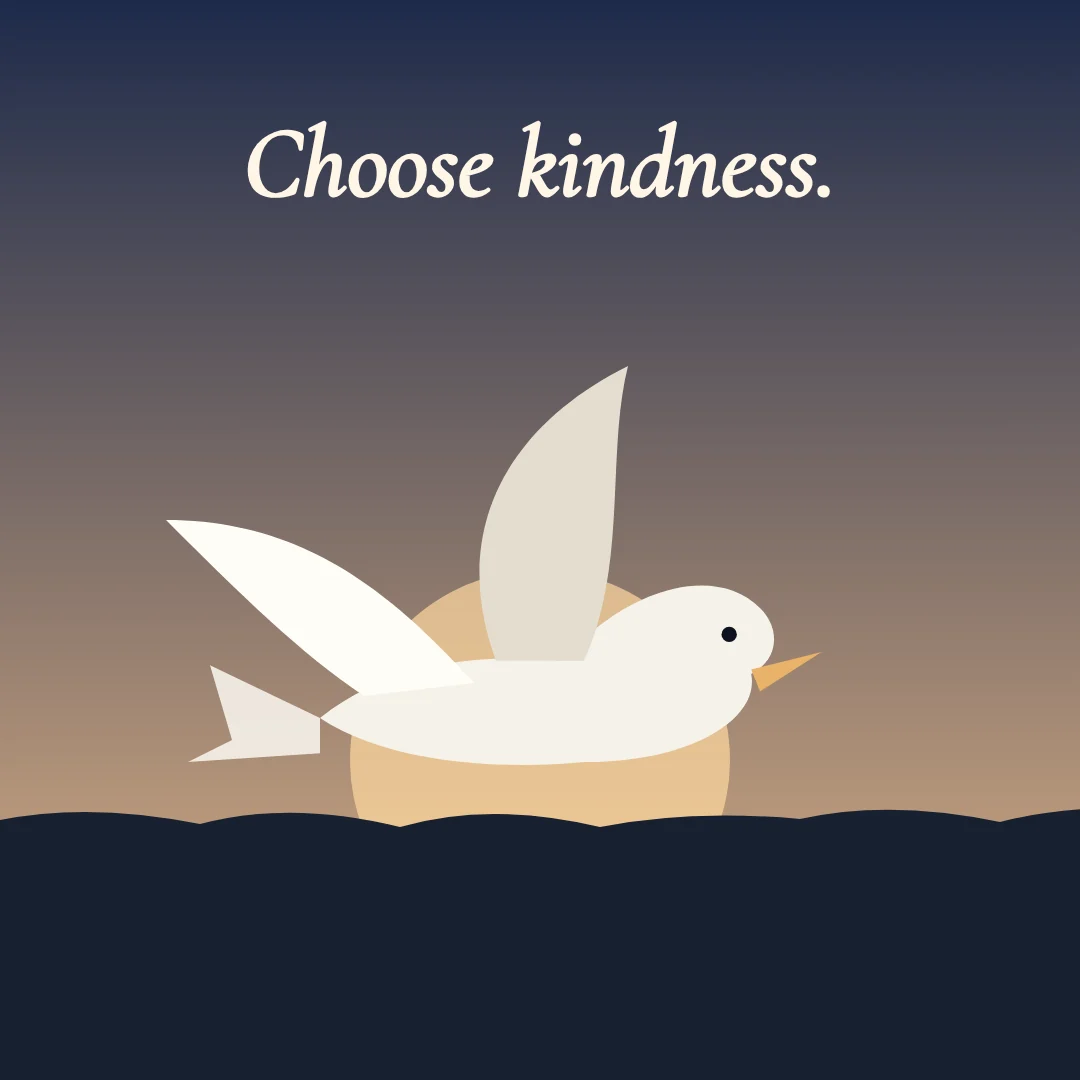
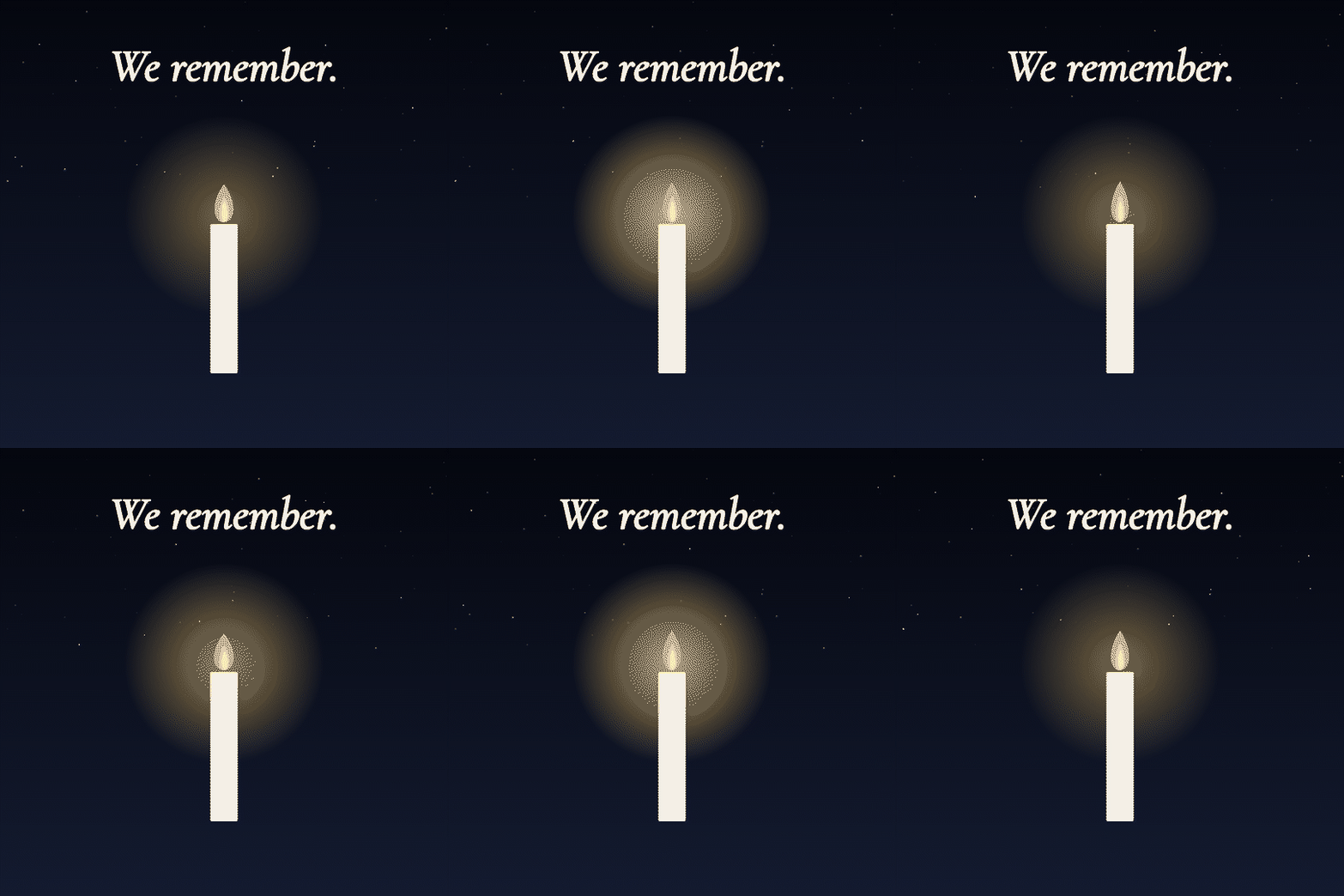
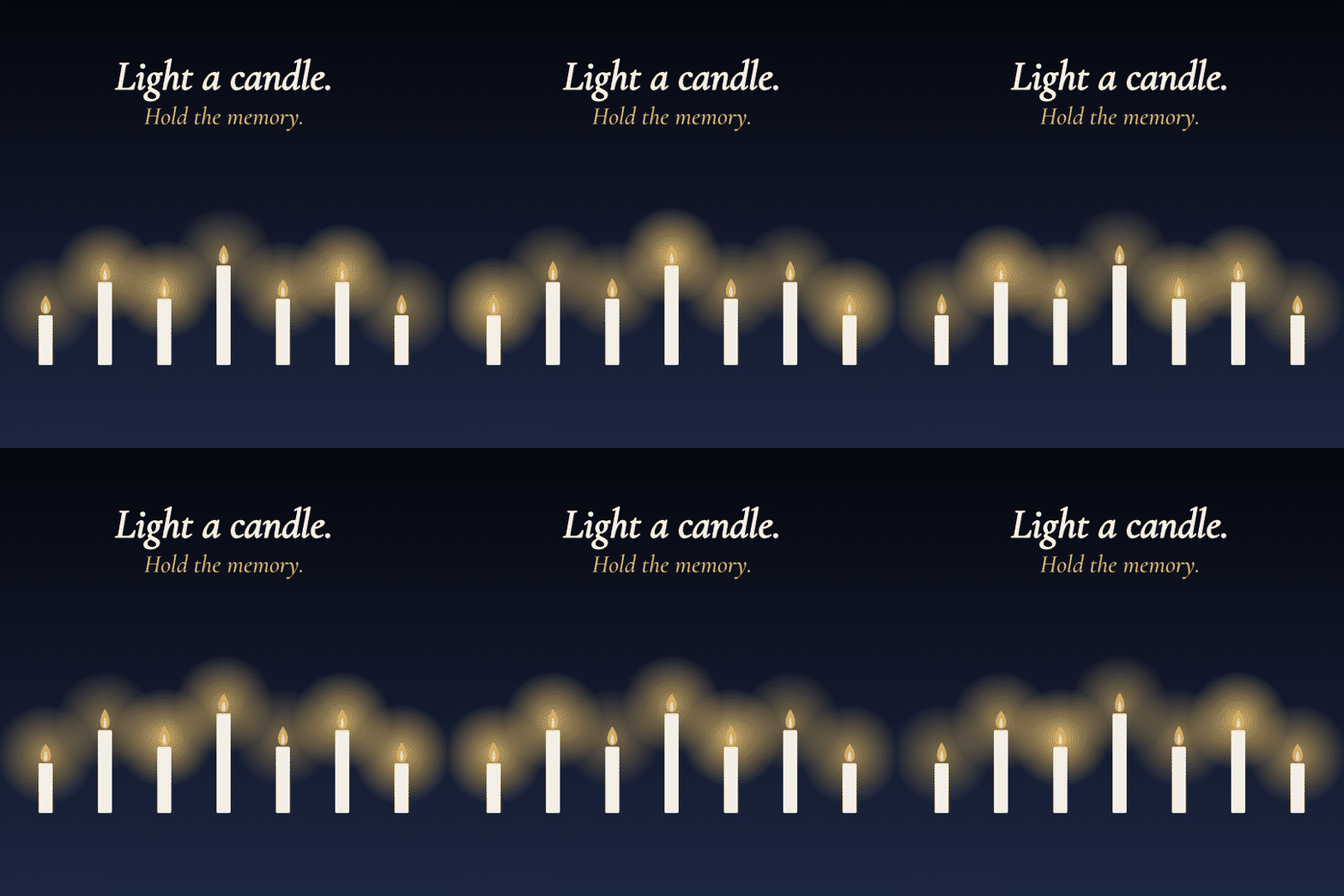
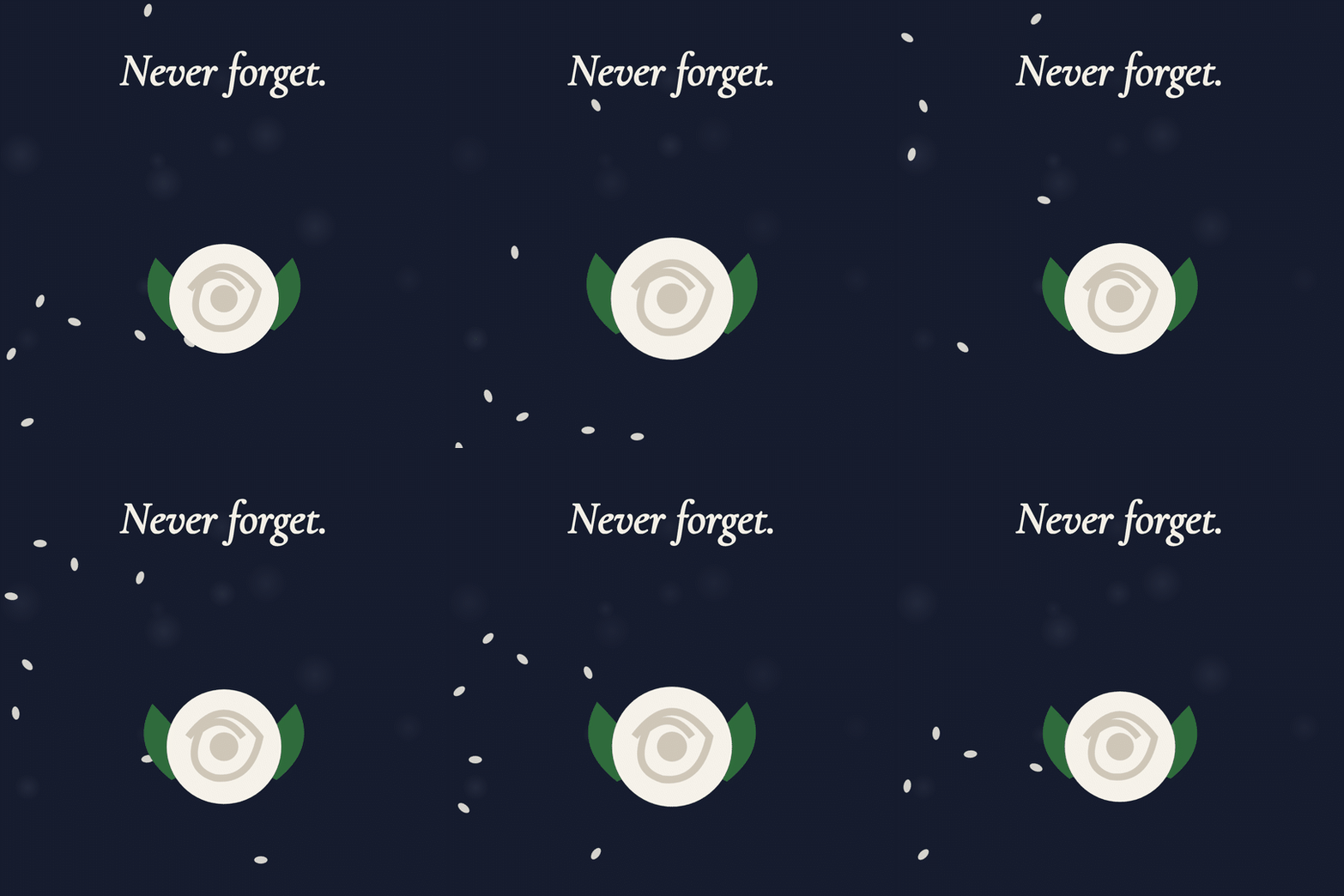
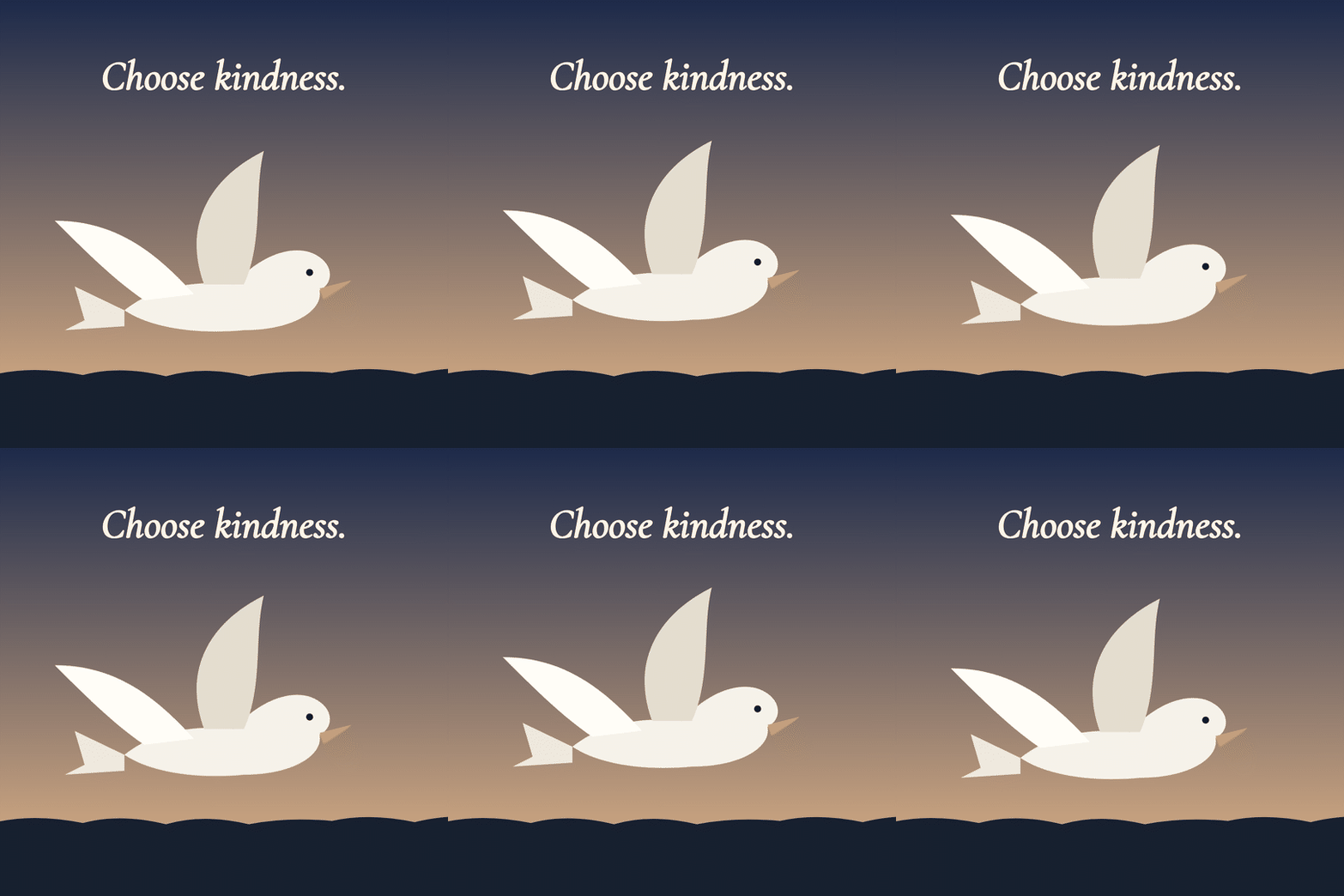
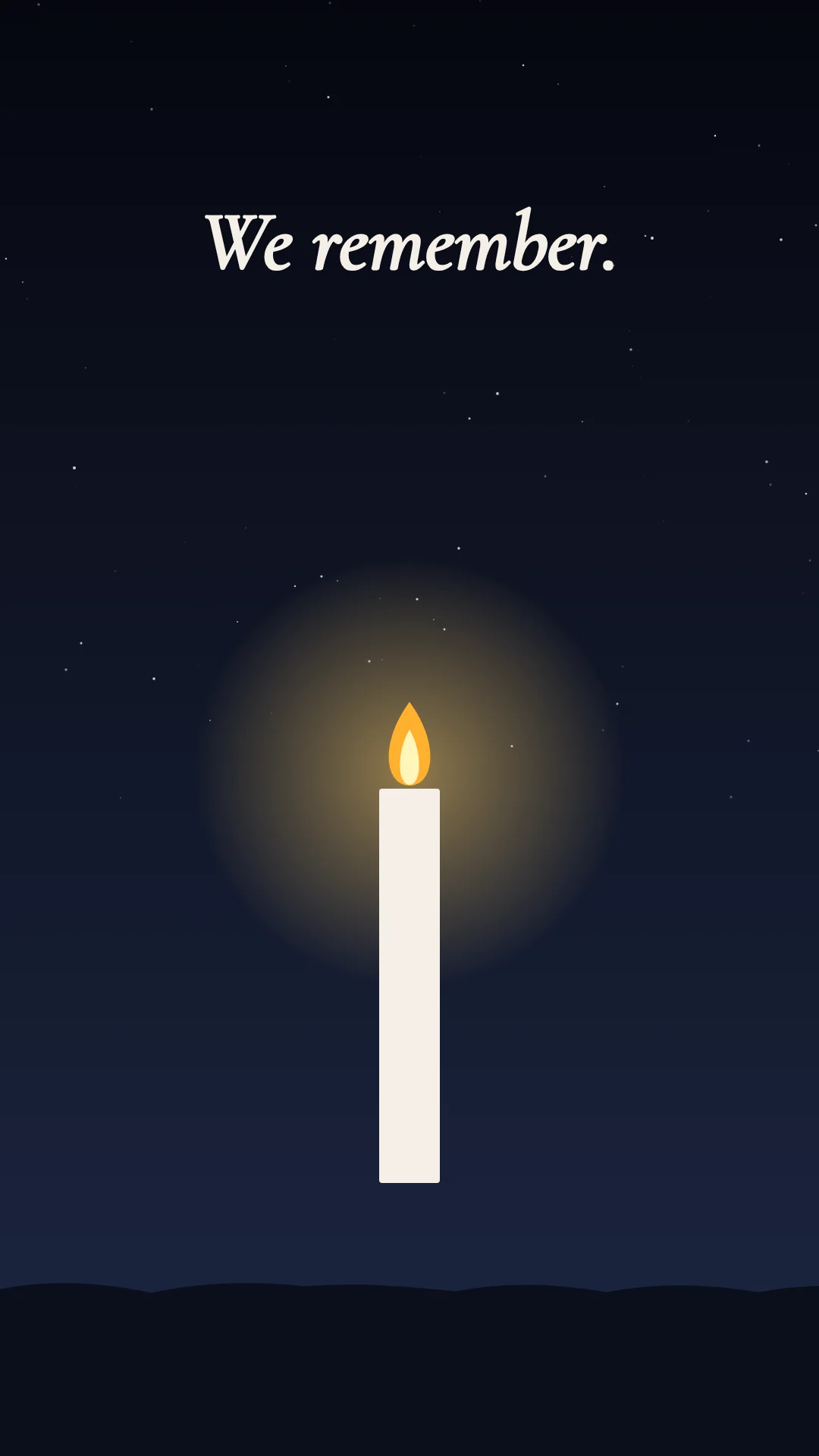
The images below are calm and unadorned: candles, white roses, a dove and open books. You are welcome to share them with a short, sincere message of your own.
Animated remembrance GIFs
Phone wallpaper
Meaningful ways to observe the day
- Light a candle at home or at a local ceremony, and take a moment of silence.
- Attend or watch a commemoration. The UN holds an annual ceremony with survivors and their families, and many museums and communities stream their events.
- Listen to survivor testimony. Museums such as the United States Holocaust Memorial Museum provide recorded testimonies and educational articles.
- Read. Choose a memoir, a history, or a museum article, and finish it rather than skimming.
- Visit a memorial or museum in your area, or take a virtual tour.
- Check your own sources. Before sharing a statistic, image or quote, confirm it with a reputable institution.
- Speak up when you hear denial, distortion or hatred directed at any group.
- Support education through a donation or volunteer time to a recognized Holocaust education organization.
Teaching children and teens
Age matters. For younger children, focus on themes they can grasp: fairness, kindness, and standing up for people who are treated unfairly. Leave detailed history for older students. For teenagers, use primary sources and survivor testimony, and make room for questions. Avoid graphic imagery, avoid role-play simulations that ask students to act as victims or perpetrators, and always connect the history to the human lessons of dignity and responsibility. The Holocaust museums and education centers listed below provide teaching guidance written by specialists.
Frequently asked questions
When is International Holocaust Remembrance Day in 2027?
It is observed on January 27, which is a Wednesday in 2027.
Why is it held on January 27?
January 27 is the anniversary of the liberation of the Auschwitz-Birkenau camp by Soviet troops in 1945.
Is it appropriate to say “Happy Holocaust Remembrance Day”?
No. It is a solemn day. Use wording such as “We remember,” “Remembering the victims,” or “Honoring the memory of those who were lost.”
Who created International Holocaust Remembrance Day?
The United Nations General Assembly, through Resolution 60/7, adopted on November 1, 2005.
What is the 2027 theme?
No 2027 theme had been announced when this page was written. The UN’s 2025 and 2026 theme was “Holocaust Remembrance for Dignity and Human Rights.”
Is this a public holiday?
It is an international day of commemoration rather than a worldwide public holiday. Observance varies by country, and some nations hold national remembrance days on other dates.
What can I post on social media?
A brief, sincere message of remembrance, a candle or white flower image, and optionally a link to a reputable educational resource. Avoid graphic images and casual comparisons.
A closing thought
Remembrance does not need grand words. It needs honesty, attention and a willingness to keep learning. If you take only one step on January 27, let it be this: pause, remember the people behind the history, and commit to treating the people around you with dignity.
Sources
- United Nations: International Day of Commemoration in Memory of the Victims of the Holocaust
- United Nations: Holocaust remembrance observance page
- United States Holocaust Memorial Museum: International Holocaust Remembrance Day
- ADL: International Holocaust Remembrance Day backgrounder
- PBS NewsHour: World pauses to commemorate International Holocaust Remembrance Day