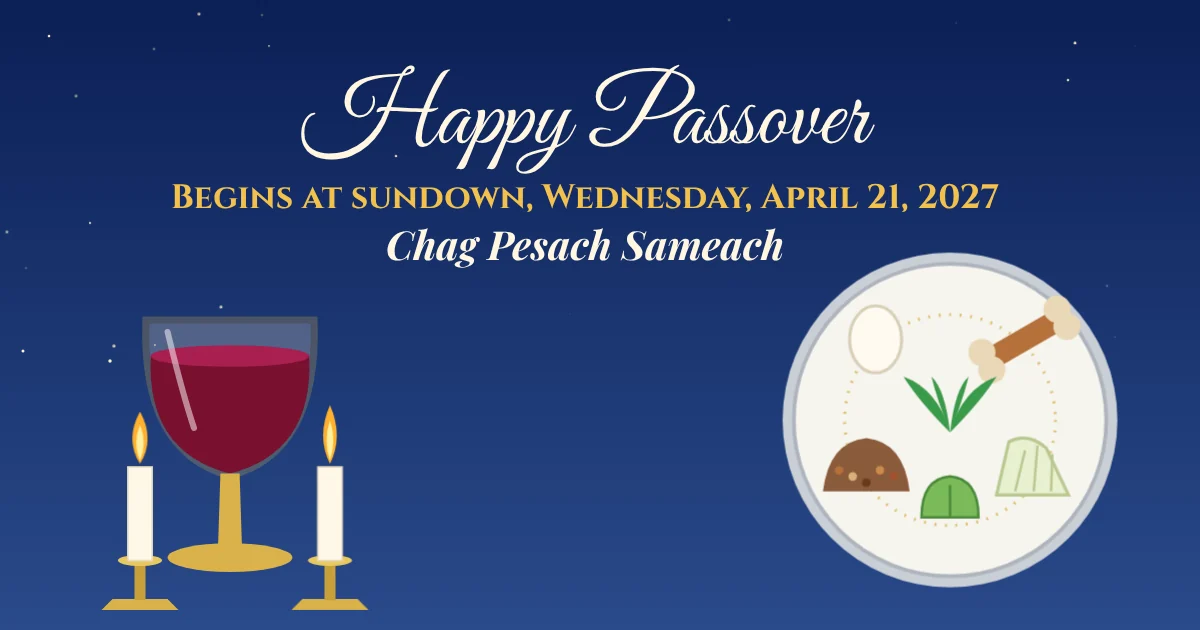
Quick answer: Passover (Pesach) 2027 begins at sundown on Wednesday, April 21, 2027 and ends at nightfall on Thursday, April 29, 2027 outside Israel. The first Seder is held the evening of April 21 and the second the evening of April 22. In Israel the holiday lasts seven days, ending April 28. The most common greeting is “Chag Pesach Sameach,” or simply “Happy Passover.”
Passover is the Jewish festival of freedom, remembering the Exodus from slavery in ancient Egypt. For many families it is the most gathered-around-the-table night of the year: a long, story-filled meal with songs, symbolic foods, four cups of wine and plenty of questions from the youngest guests. This guide covers the exact 2027 dates, what happens at a Seder, the meaning of the Seder plate, the right greetings to use (and when), and 40 original wishes you can send to friends, family and colleagues.
On this page
- Passover 2027 dates
- What Passover means
- What happens at a Seder
- The Seder plate, item by item
- How to say Happy Passover
- 40 Passover wishes and messages
- Cards, GIFs and wallpaper
- FAQ
Passover 2027 dates
Jewish days begin at sundown, so every observance below starts the evening before the date shown. Passover always begins on the 15th of Nisan, which is why the secular date moves from year to year. In 2027, that is 15 to 22 Nisan 5787 on the Hebrew calendar.
| Date (2027) | What it is |
|---|---|
| Wednesday, April 21 (evening) | Passover begins at sundown. First Seder after nightfall. |
| Thursday, April 22 | First day of Passover. Second Seder that evening (outside Israel). |
| Friday, April 23 | Second day of Passover. |
| Saturday, April 24 to Tuesday, April 27 | Chol HaMoed, the intermediate days, when some work is permitted. April 24 is also Shabbat. |
| Wednesday, April 28 | Seventh day. Passover ends here in Israel. |
| Thursday, April 29 | Eighth day. Passover ends at nightfall outside Israel. Yizkor is recited. |
Candle-lighting and nightfall times depend on your location, so check your local synagogue or a Jewish calendar for exact times. Observances vary by community, so these dates describe the standard calendar rather than any one family’s custom. Passover is not a US federal holiday, so schools and employers generally follow their usual schedule unless they have their own religious-observance policy. If you manage a team or a school calendar, it helps to remember that the first two and last two days are full holy days for observant Jews.
What Passover means
Passover, called Pesach in Hebrew, commemorates the liberation of the Israelites from slavery in Egypt. The English name refers to the story that the final plague “passed over” the homes of the Israelites. Matzah, the flat unleavened bread, recalls how the Israelites left in such haste that their bread had no time to rise.
The holiday is not only a history lesson. The Haggadah, the book used at the Seder, instructs each person to see themselves as having personally come out of Egypt. That is why the night is so sensory: you taste bitter herbs, dip, lean, sing and ask questions rather than simply listen. The themes of freedom, memory and responsibility toward others are why Passover messages often talk about hope, renewal and gratitude.
During the eight days outside Israel, leavened bread (chametz) is not eaten, and many households clean their homes thoroughly in the weeks beforehand. Matzah and other Passover-friendly foods take its place.
What happens at a Seder
“Seder” means “order.” The meal follows a set sequence that tells the Exodus story through food, text and song. Families and communities vary a great deal, from short and lively to long and scholarly, but several elements are common.
- The Haggadah. Everyone reads or sings from this book, often taking turns around the table. Many families use a favorite edition, and some write their own.
- Four cups of wine or grape juice. Drunk at set points in the evening, each cup is tied to a stage of the story. Guests traditionally recline to the left while drinking, a sign of freedom.
- The Four Questions. Usually asked by the youngest person who is able, they open the storytelling.
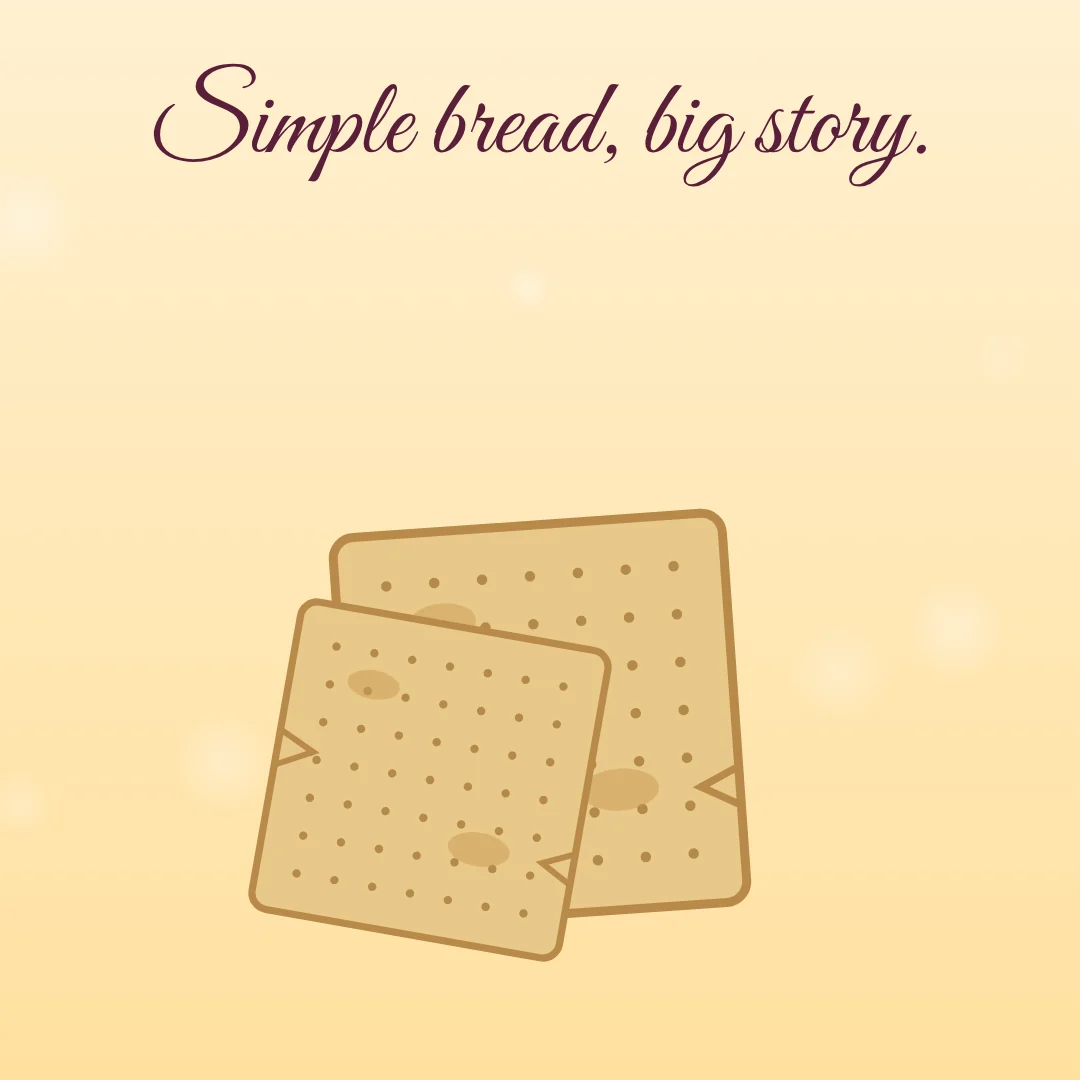
- Matzah. Three matzot are stacked on the table, and one is broken and part of it hidden to be found later as the afikoman.
- Elijah’s cup. A cup is filled and set aside for the prophet Elijah, and many families open the front door at one point in the evening as a gesture of welcome and hope.
- The meal and songs. After the festive meal, the evening ends with songs and often a wish to celebrate the next year in peace.

The Seder plate, item by item
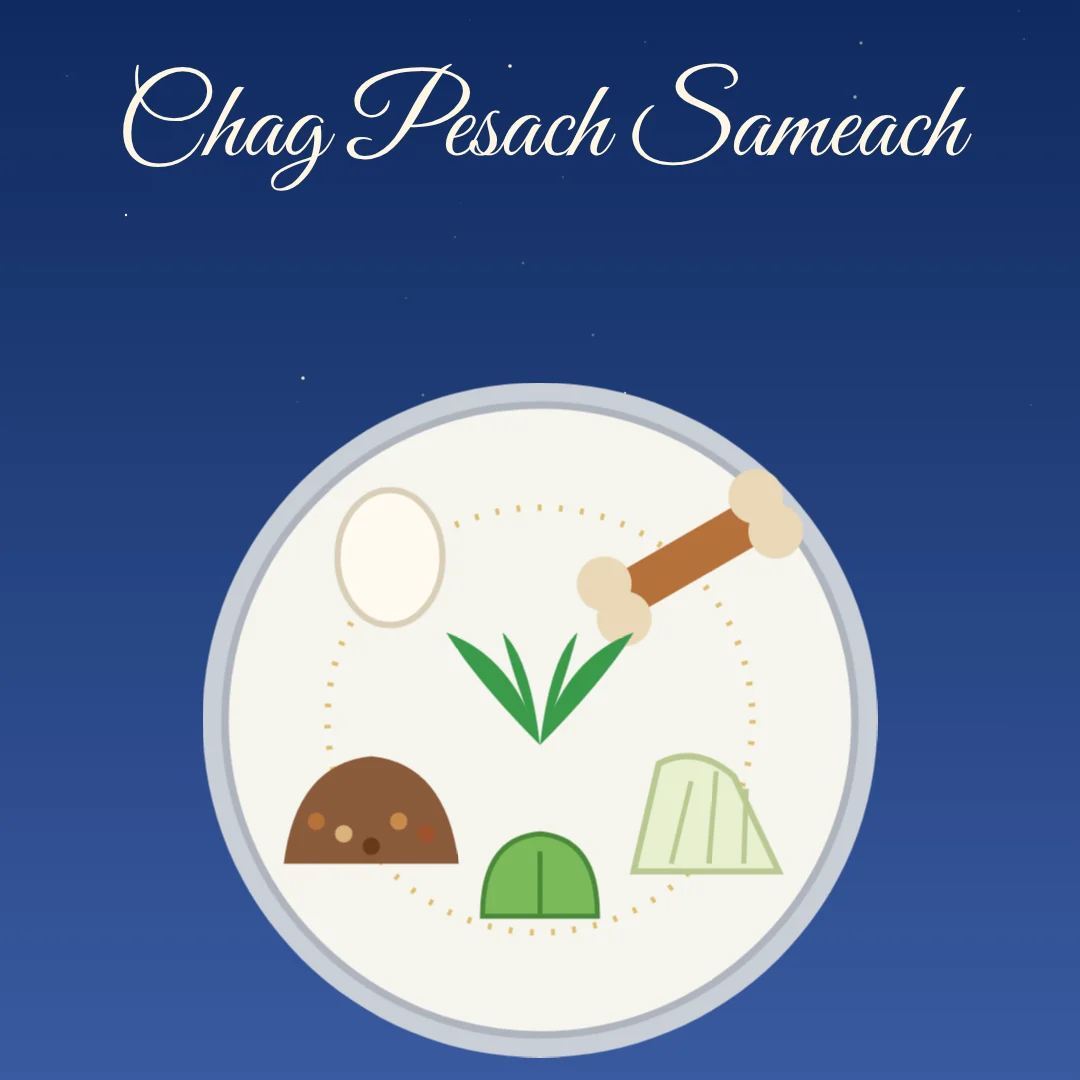
The Seder plate (ke’arah) sits at the center of the table. Traditions differ on the details, and some plates hold five items while others hold six. According to Chabad, the six symbolic foods are the matzah, the shank bone, the egg, the bitter herbs, the charoset and the vegetable.
| Item | Hebrew name | What it represents |
|---|---|---|
| Shank bone | Zeroa | Recalls the Passover offering in the days of the Temple. It is not eaten at the Seder, and some families use a roasted beet instead. |
| Egg | Beitzah | Recalls the festival offering brought in Temple times, and is often seen as a symbol of spring and renewal. |
| Bitter herbs | Maror and chazeret | The bitterness of slavery. Horseradish or romaine lettuce are common choices. |
| Charoset | Charoset | A sweet paste of fruit, nuts and wine that resembles the mortar used by the enslaved. |
| Green vegetable | Karpas | Dipped in salt water, it stands for spring and for the tears of slavery. |
| Matzah | Matzah | The bread of haste and of affliction. Three are stacked and covered. |
Many contemporary families add their own symbols, such as an orange or an olive, to reflect modern hopes for inclusion and peace. Whether you follow a classic plate or a new one, the point is the conversation each item starts.
How to say Happy Passover
You do not need to speak Hebrew or Yiddish to send a warm greeting. “Happy Passover” is always welcome. If you would like to use a traditional phrase, these are the most common:
| Greeting | Language | Meaning |
|---|---|---|
| Chag Pesach Sameach | Hebrew | Happy Passover |
| Chag Sameach | Hebrew | Happy holiday, used for any festival |
| Chag Kasher v’Sameach | Hebrew | A happy and kosher holiday, a nod to Passover’s food rules |
| Gut Yontiff | Yiddish | Good holiday |
| Zissen Pesach | Yiddish | A sweet Passover |
| Pesach Alegre | Ladino | Merry Passover |
During the middle days of the holiday, some communities say “Moadim l’Simcha” (festivals for joy). One thing to avoid is “Happy Easter,” which is a different holiday, even in years when the two fall close together.
40 Passover wishes and messages
These messages are original and written to work in a text, email or card. Adjust the tone to the person you are writing to.
Short wishes for texts and WhatsApp
- Chag Pesach Sameach! Wishing you a joyful Seder.
- Happy Passover to you and your family.
- May your table be full and your heart even fuller. Chag Sameach!
- Sending warm wishes for a sweet and meaningful Passover.
- Wishing you freedom from worry and plenty of laughter at the Seder.
- Happy Passover! May this season bring renewal.
- Thinking of you tonight. Chag Pesach Sameach.
Wishes for family
- May our Seder be full of stories, songs and the voices of everyone we love.
- To my parents and grandparents, thank you for passing down the story. Happy Passover.
- Wishing our family health, closeness and a table with room for everyone.
- May the youngest at our table always keep asking questions. Chag Sameach!
- Wherever you are this Passover, know that there is a seat for you in my heart.
- May we keep finding new meaning in an old and beloved story.

Wishes for friends
- Wishing you a Passover full of good food, good company and a very generous helping of charoset.
- May this holiday bring you rest, renewal and a little extra matzah-ball magic.
- Thank you for being a friend who feels like family. Happy Passover!
- May every bitter moment this year be followed by something sweet.
- Wishing you a Seder where the conversation runs longer than the meal.
- Here is to spring, new beginnings and friends who show up. Chag Pesach Sameach.
Reflective and spiritual messages
- May we each find our own way from narrow places to open ones.
- Freedom is a gift and a responsibility. May we use it with kindness.
- May the story of the Exodus remind us to welcome the stranger and care for the vulnerable.
- Tonight we remember, and tomorrow we act. Wishing you a meaningful Passover.
- May hope come to your door, and may you leave it open.
- As the cup is filled and the door is opened, may peace walk in.
Messages for colleagues and clients
- Wishing you and your family a peaceful and joyful Passover.
- Warm wishes to you and your loved ones for a meaningful holiday.
- Happy Passover to our colleagues celebrating. Enjoy the time with family.
- Best wishes for a Passover filled with health, hope and happiness.
Wishes for children
- Happy Passover, little one! Good luck finding the afikoman.
- May you ask lots of great questions at the Seder tonight.
- Wishing you sweet treats, silly songs and a very full cup of grape juice.
- May you grow up curious, kind and brave. Chag Pesach Sameach!
- Happy Passover! May your Seder be fun from the first question to the last song.
Cards, GIFs and wallpaper
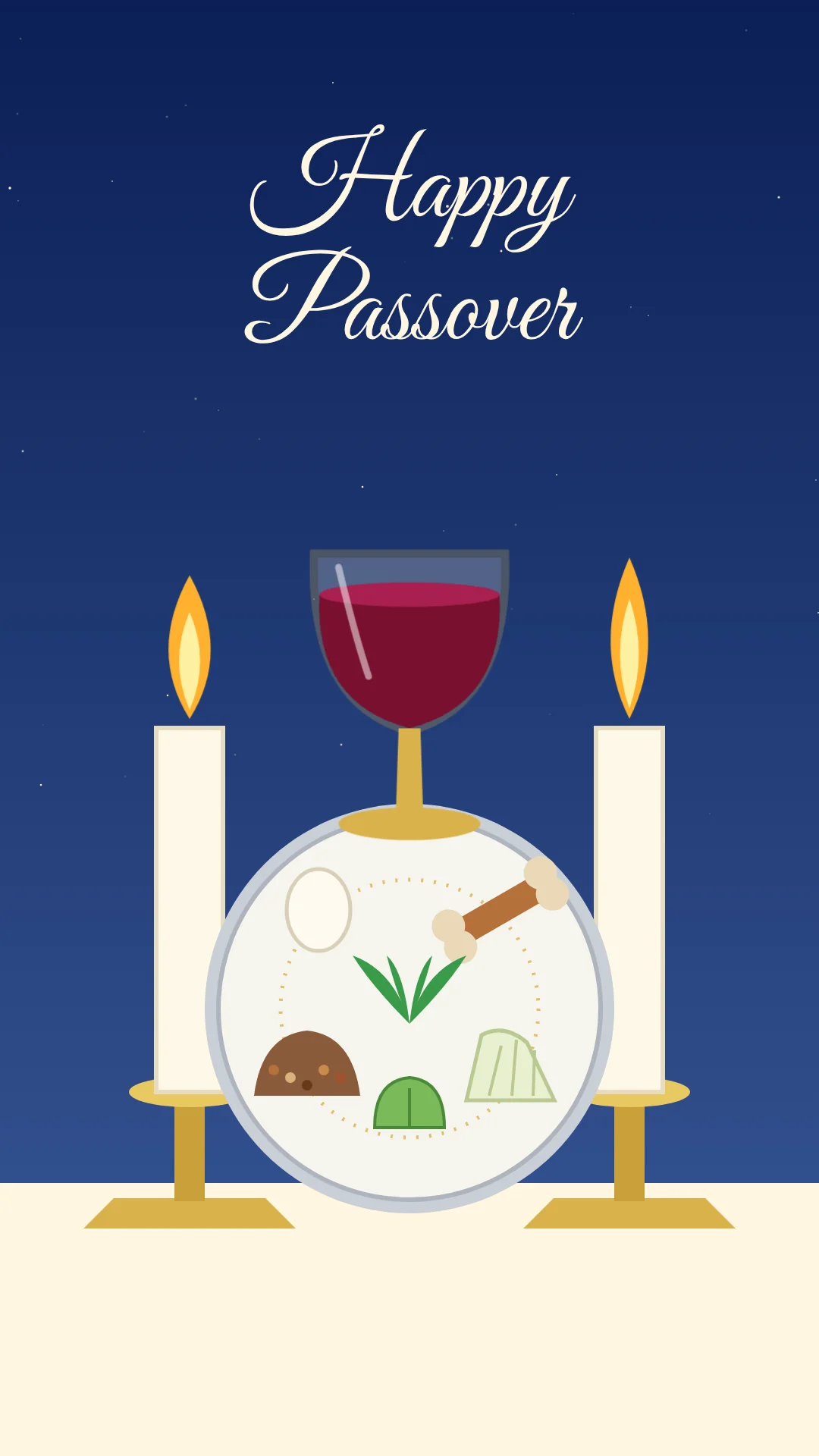
Save and share any of these. The GIFs work well in group chats and status updates, and the wallpaper is sized for a phone screen.
More festival guides
Looking for more spring celebrations? Read our guides to Purim, Ram Navami, Vaisakhi and Nowruz.
Passover FAQ
When does Passover 2027 start and end?
It begins at sundown on Wednesday, April 21, 2027 and ends at nightfall on Thursday, April 29, 2027 outside Israel. In Israel it ends on April 28.
When are the Seders in 2027?
The first Seder is the evening of April 21 and the second is the evening of April 22. In Israel, only the first night is observed.
How do you say Happy Passover?
“Chag Pesach Sameach” is the Hebrew greeting. “Chag Sameach” and “Happy Passover” are also welcome, and “Chag Kasher v’Sameach” refers to the holiday’s food rules.
Why is matzah eaten on Passover?
Matzah recalls the unleavened bread the Israelites carried when they left Egypt in haste. Leavened bread is avoided throughout the holiday.
Is Passover a federal holiday in the US?
No. It is not on the federal holiday list, so offices and schools usually follow their normal schedule, though many observant people take time off.
A closing thought
Passover asks us to tell an old story as if it were our own, and to leave the table a little more grateful and a little more generous than we sat down. Whether your Seder has two guests or twenty, wishing someone a Happy Passover is a small way to say you are thinking of them. Chag Pesach Sameach.
Sources
- Chabad.org: When Is Passover in 2027?
- Chabad.org: Jewish Holidays in 2027
- Chabad.org: The Seder Plate
- My Jewish Learning: The Seder Plate
- My Jewish Learning: How to Greet People on Passover
- Reform Judaism: What greetings are appropriate on Passover?
- Farmers’ Almanac: When Is Passover 2027?
- Passover 2027 day-by-day dates (Hebcal data)